
Union County Blotter Sources
The Union County Sheriff's Office posts no fixed seventy-two-hour blotter. Its public pages carry no weekly booking roundup either. What the office does publish is an editorial press-release archive with dated incident narratives. Archive navigation sits alongside. Each release may name who was arrested, which agency made the arrest, and the charge. Coverage is selective. Selected posts never equal a full booking list for Union County. The current jail roster covers the other angle: present custody. Its public page states no archive depth. Entries can run older than a few days. Local journalism adds dated calls and incident context. That gives readers a workable blotter trail. The pieces must stay separate, though, rather than fused into a fake complete feed.
Read Union County Arrest Reports
A multi-day arrest search works best backward by date, then custody or court status. The publisher's role matters most. An official release is the primary narrative, a newspaper report is secondary coverage, and the roster is the sheriff's live custody snapshot.
- Search the UCSO press-release archive by visible date or monthly archive and note that coverage is selective.
- Check the current roster for the same name, agency, and date, while recognizing that release can remove a current-custody entry.
- Review a dated Observer public-safety report for time-stamped LGPD or UCSO activity, keeping its newspaper status clear.
- Confirm the later case through Oregon court records, using more than a common name to match identities.
- Request the agency record when the online item has rolled off or lacks enough detail.
The Arrests Last 24 Hours page serves quick custody checks. This blotter path instead covers several days of dated narratives and archive digging.
Union County Blotter Fields
Fields shift from one source to the next. A missing detail means the publisher left it out, not that the fact never existed.
| Field | Where it may appear | Reading limit |
|---|---|---|
| Name | Roster, selected releases, some reports | Confirm identity with date and agency. |
| Date and time | Roster and time-stamped reports | May refer to booking, custody, call, or publication time. |
| Agency | Roster, UCSO releases, Observer reports | Identifies the likely records custodian. |
| Charge or incident | Roster and narrative reports | An charge or reported event, not a disposition. |
| Bond | Current roster when listed | Can change and does not establish a case result. |
| Photo | Not in the roster; inconsistent in news | A news image does not establish county photo policy. |
The official roster keeps its fields lean, skipping much of the profile and case detail old third-party pages once showed. Treat those old unofficial records as dead ends, not as a way to patch gaps in a current Union County booking record.
Weekend Arrest Posting Limits
No official source says Union County arrests get posted in a weekend batch. None promises a morning release. No holiday pause is promised either. So a claimed "weekend surge" cannot be read off one fat roster. A single newspaper story will not do it either. Intake timing, releases, delayed narratives, and publication choices can all inflate one date.
Compare dates carefully. A roster's print marker dates only that PDF. A press release may run days after the event itself. An Observer piece can fold two days of calls into one report. Elkhorn Media Group picks its regional stories selectively. These clocks do not tick together, and they cannot build a sound crime trend alone.
Want real statistics? Use a complete official dataset with stated definitions and a clear period. A string of news items gives you no denominator. And a missing story is never proof that an agency made no arrest.
Union Arrest Archives Beyond Online Pages
The roster is not an archive. Older entries may still be showing. UCSO's release archive holds dated selected posts. Newspaper pages and briefing links can move, expire, or slip behind a paywall. When the arrest record you need sits outside those pages, ask the government custodian directly.
Oregon sets retention minimums for booking records. Homicide material stays twenty years. Felonies run ten, and misdemeanors five. Those spans govern the underlying records, not how long a name lingers online. The UCSO records process is the first stop for sheriff-held booking or jail material. A La Grande Police incident report belongs with LGPD when that department owns it.
For older files, name the record series and the date first. Then try the Oregon Historical County Records Guide or the Union County inventory. Historical prisoner registers and modern roster PDFs differ in fields, access rules, and custody periods.
Note: An absent web entry may still sit in agency files. Online visibility and legal retention run on separate clocks.
Union Arrest News Patterns
For multi-day arrest news, the Observer's dated public-safety report is the strongest local example. Its items carry time stamps. Some entries mix La Grande Police work with UCSO activity. The paper is not the jail custodian. Photos are not a consistent feature, and access may be limited.
Elkhorn Media Group covers selected eastern Oregon public-safety stories involving OSP, UCSO, or LGPD. It posts no fixed daily blotter for Union County. Official UCSO releases outrank it for an agency statement. News adds context, never a full booking count.
Mugshots.com keeps an unofficial Union County history page. Its year links point to much older entries. It is not a live UCSO source. Check official records first, and skip rehosting photos from unofficial pages.
RecentlyBooked lists no Union County section in its Oregon index. Arrests.org posts a statewide page, but its one-day county count is only an aggregator snapshot. Busted Newspaper and Mugshots.zone carry no Oregon Union County page. Another state has a similarly named Union County. That mismatch is easy and serious.
News fits a reported event traced over several days, not a custody question. For current custody, return to UCCF. For the incident record, contact the named agency. For the case result, use the court register. Each step moves toward the office that owns the record.
Union Blotter Source Screens
The official UCSO press-release archive gives dated arrest narratives.
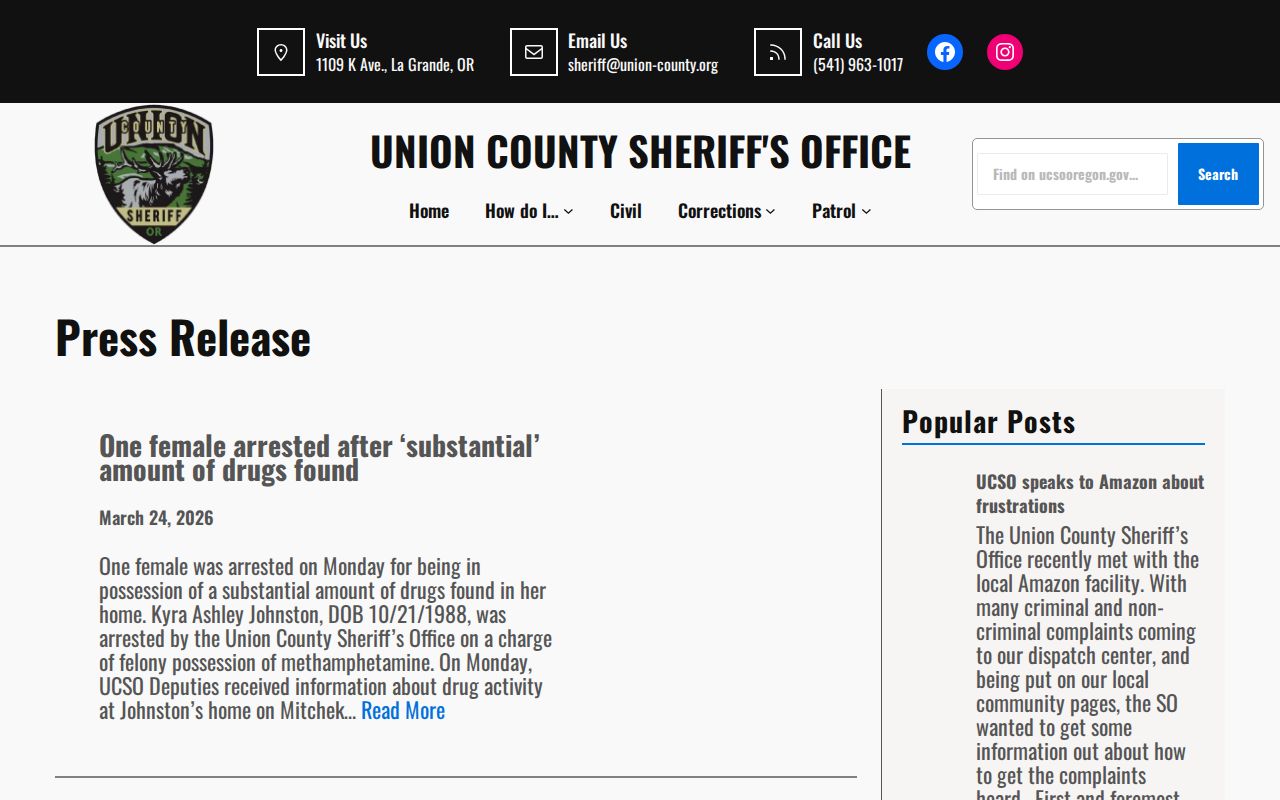
The archive page lists dated releases, not a full booking feed or gallery.
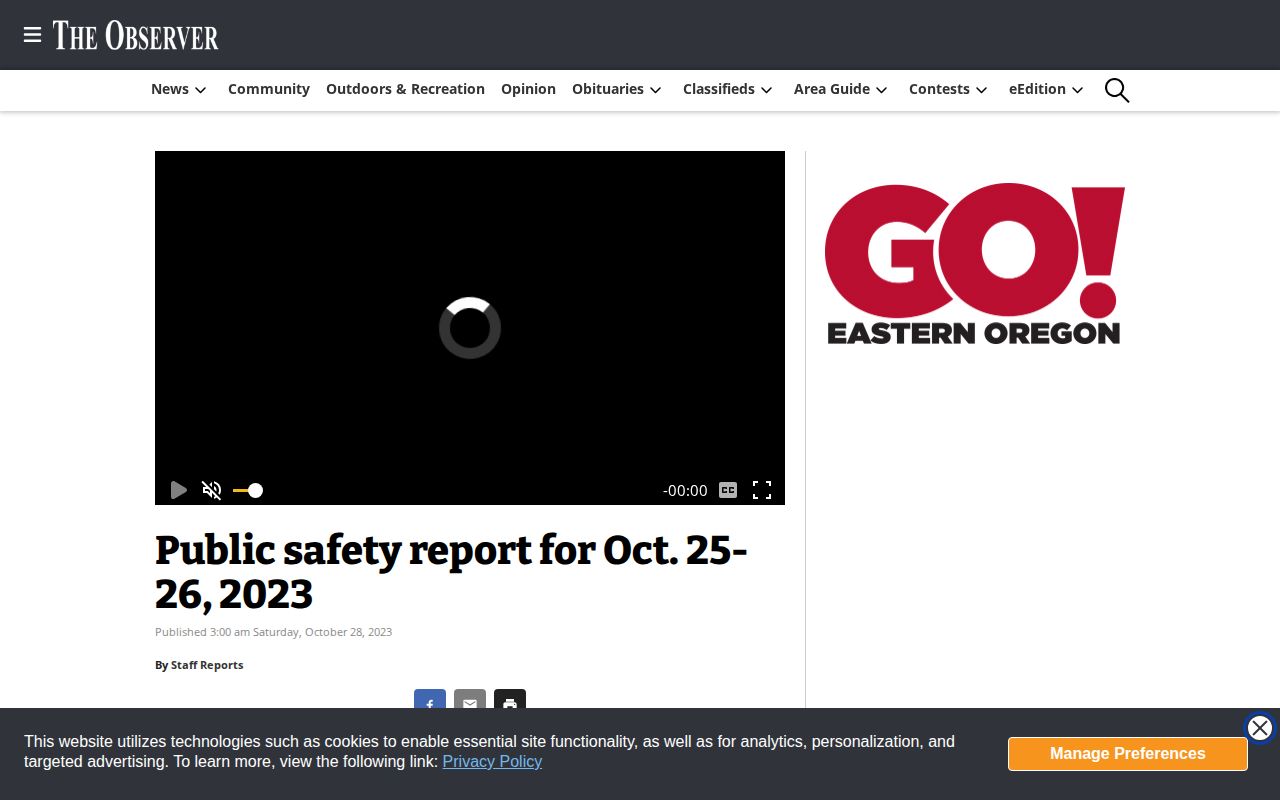
The Observer report shows the dated, multi-agency news format.
The Elkhorn Media Group site offers a second comparison. Its entries are secondhand reporting, so weigh them against agency, roster, and court records.
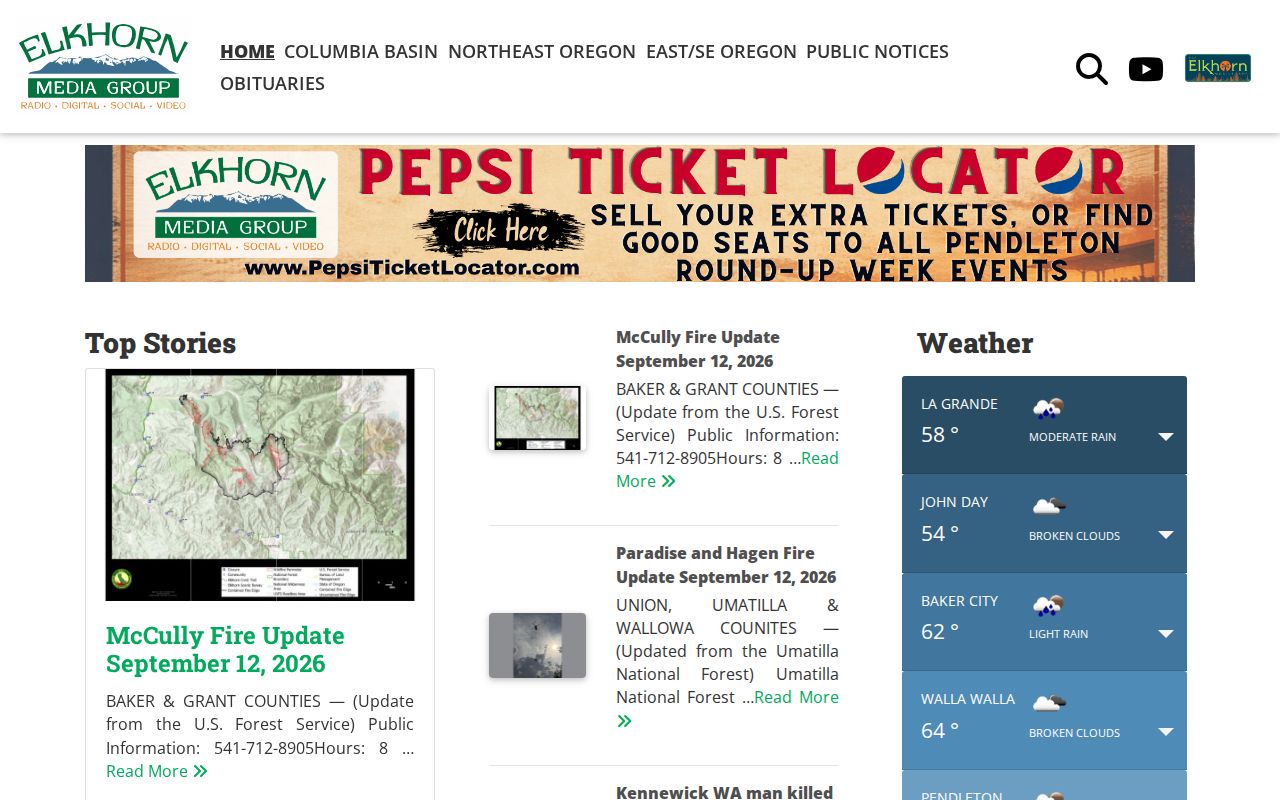
This incident-driven outlet does not promise a complete Union County arrest log.
Union Arrest Entries Need Court Checks
A roster entry or a news report marks a point in time. Charges can be amended, reduced, or dropped after arraignment. For the outcome, follow the case in court.
Use the Oregon Judicial Department case path for the later register of actions and disposition. A disposition is the court result, such as a dismissal, plea, or judgment. Match county, dates, and agency details to the right person. A jail inmate number may not match the court case number.
If the online trail runs dry, save the dates and agency name. Add any inmate or report number. Request the specific booking or incident record. A focused request lets UCSO or LGPD find the right file fast. It also lets them explain an exemption, a retention issue, or a different custodian.
Keep the source hierarchy intact. Start with the current roster for custody. Then use the press-release archive for selected agency narratives. The sheriff or LGPD records process holds the underlying file. The court register holds the disposition. State Archives material sits at the end for true history. An unofficial page can linger online after a correction or a release. A set-aside or a source change can do the same. Its long web life does not make it accurate. If a newspaper story and an agency record differ, keep both publication dates. Then trust the record-owning office for the fix. Never merge unmatched names, dates, or charges just because the stories seem similar.
Public Record Search
Sponsored Results